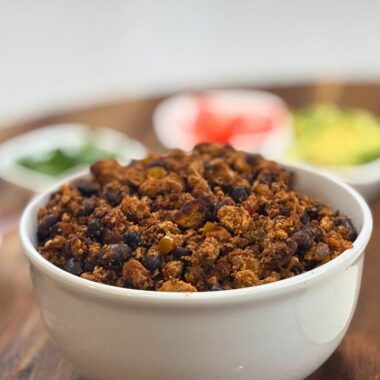

If you’ve ever avoided beans because of the gas and bloating that comes afterward… you are definitely not alone.
Beans are one of those foods everyone tells us we should eat. They’re affordable, filling, packed with fiber, and one of the best plant-based protein sources out there. But for a lot of people, eating beans can feel like a risky decision. Especially if you end up uncomfortable the rest of the evening.
The good news? It doesn’t have to stay that way. Learning how to prevent gas from beans is often less about avoiding beans completely and more about helping your body adjust to them gradually. A few simple changes can make a huge difference — and honestly, once your body adapts, eating beans becomes a whole lot easier.

How to Prevent Gas From Beans
Tip #1: Start Small and Eat Beans Consistently
This is probably the biggest mistake people make with beans. They eat them once in a while — maybe at a Mexican restaurant or in a big bowl of chili — and then wonder why they feel awful afterward. Your body actually needs time to adjust to digesting beans well.
Instead of eating a huge serving right away, start with just a couple tablespoons a day. Then slowly work your way up over time. Even working toward about 1 cup a day gradually can help your body adapt. Consistency matters more than quantity in the beginning.
Tip #2 Choose Easier Beans First
Not all beans are created equal. Some beans are naturally easier to digest than others. Start with gentler options like lentils or white beans before jumping into heavier beans. This small shift can make a surprisingly big difference.
Tip #3: Always Rinse Canned Beans
This one only takes a few seconds. Drain your canned beans and rinse them under cool water before using them. Rinsing helps remove some of the compounds that can contribute to gas and bloating. As a bonus, it can also reduce some of the sodium from canned beans. Easy habit. Big payoff.
Tip #4: Cook Beans From Scratch When You Can
If you really struggle with beans, cooking them from scratch can help a lot. Here’s the simple process:
- Rinse the beans
- Remove any debris or small rocks
- Soak them in water for 8–12 hours
- Drain and discard the soaking water
- Cook in fresh water until very soft
One important tip: don’t undercook them. A softer bean is usually easier to digest than a firm one. When in doubt, cook them a little longer.
Tip #5: Try a Digestive Enzyme
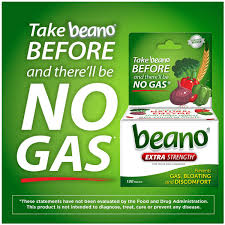
If you’re still struggling, digestive enzyme supplements like Beano may help. These products contain enzymes that help break down some of the compounds in beans that can cause gas. They don’t work for everyone, but many people find them helpful.
Are Beans Really Worth It?
Honestly? Yes. Especially once you realize how much nutrition you get from something so simple and affordable.
1. Beans Are Linked to Longevity
If you look at some of the longest-living populations in the world, beans show up again and again in their diets.
People in areas known for longevity tend to eat beans regularly as part of everyday meals — not as a “health food,” but just normal food. Soups, stews, rice dishes, spreads, and simple home-cooked meals often include beans as a staple ingredient.
That says a lot.
2. Beans Are One of the Cheapest Healthy Foods You Can Buy
Eating healthy can feel expensive fast.
But beans are one of the few foods that are incredibly budget-friendly and incredibly nutritious.
Whether you buy canned beans or dried beans, they cost far less than most protein sources and can stretch meals for a family really easily.
A pot of beans can turn into tacos, soups, burgers, bowls, wraps, and more throughout the week.
3. Beans Are Packed With Plant Protein
A lot of people worry about getting enough protein when they start eating more plant-based meals.
Beans help solve that problem.
They’re loaded with plant protein along with fiber, minerals, and other nutrients that help make meals more satisfying and balanced.
And unlike a lot of processed convenience foods, beans are real simple food that has been feeding people for generations.
4. Beans Help Keep You Full
One of the reasons beans are so satisfying is because they contain both protein and fiber.
That combination helps meals feel more filling and satisfying for longer.
Instead of feeling hungry an hour later, meals with beans tend to stick with you.
Which honestly makes eating healthier feel a lot more realistic in real life.
Because when food actually keeps you full, it’s easier to stay consistent.